
Signs of Low Quality Male Enhancement Products
Posted by Editorial Team on Oct 13th 2026
Table of Contents
- What Makes a Male Enhancement Product Low Quality
- Hidden Ingredients in Male Enhancement Supplements
- FDA Sexual Enhancement Product Warnings You Should Know
- How to Check Supplement Quality and Verify Ingredients
- Male Enhancement Supplement Side Effects and Health Risks
- Red Flags in Packaging, Labeling, and Online Sellers
- What to Do If You Experience Adverse Effects
- Frequently Asked Questions
Last Updated: October 13, 2026
What Makes a Male Enhancement Product Low Quality
A low quality male enhancement product often contains hidden pharmaceutical ingredients not listed on the label, inconsistent potency from batch to batch, or misleading marketing claims about results.
Men seeking low quality male enhancement solutions face a real problem: the supplement market lacks the rigorous oversight of prescription medications. This means your responsibility as a buyer is higher.
Many customers ask how to distinguish genuine male enhancement supplements from products that cut corners or hide dangerous ingredients.
Hidden Ingredients in Male Enhancement Supplements
Hidden ingredients represent one of the most serious risks in male enhancement products. Many low-quality supplements contain undeclared pharmaceutical drugs, typically sildenafil (the active ingredient in Viagra) or tadalafil (from Cialis), mixed into what's marketed as an all-natural herbal formula.
Why does this happen? Adding prescription drugs creates faster, more noticeable effects. This tricks consumers into believing the supplement works better than competitors.
The problem extends beyond hidden prescription drugs. Some products contain:
- Unlisted active pharmaceutical ingredients from multiple sources
- Contaminated ingredients from poor manufacturing practices
- Fillers and binders that make up 50% or more of the product
- Ingredients sourced from unregulated suppliers overseas
Ingredient transparency matters. Reputable retailers source products designed to deliver consistent, declared ingredients, not hidden pharmaceuticals masquerading as natural supplements.
FDA Sexual Enhancement Product Warnings You Should Know
The FDA regularly issues alerts about male enhancement products that pose health risks. These warnings typically target products containing hidden drug ingredients or those making unsubstantiated claims about treating erectile dysfunction.
Common FDA warning categories include:
- Products containing undeclared sildenafil or tadalafil
- Supplements claiming to treat or cure erectile dysfunction (a medical condition requiring diagnosis)
- Products with contaminated or misidentified ingredients
- Items sourced from unlicensed manufacturers
You can check for current FDA warnings by visiting the official FDA website, which maintains a searchable database of recalled and warned products.
Products with FDA warnings often continue selling online through unscrupulous retailers. This is why purchasing from established, compliant retailers matters. They monitor regulatory alerts and remove flagged products from inventory.
How to Check Supplement Quality and Verify Ingredients
Most articles tell you to "read the label." That advice is useless unless you know what a compliant label looks like and where to cross-check it. The steps below turn vague suspicion into a documented verification process you can complete in about 15 minutes before you buy.
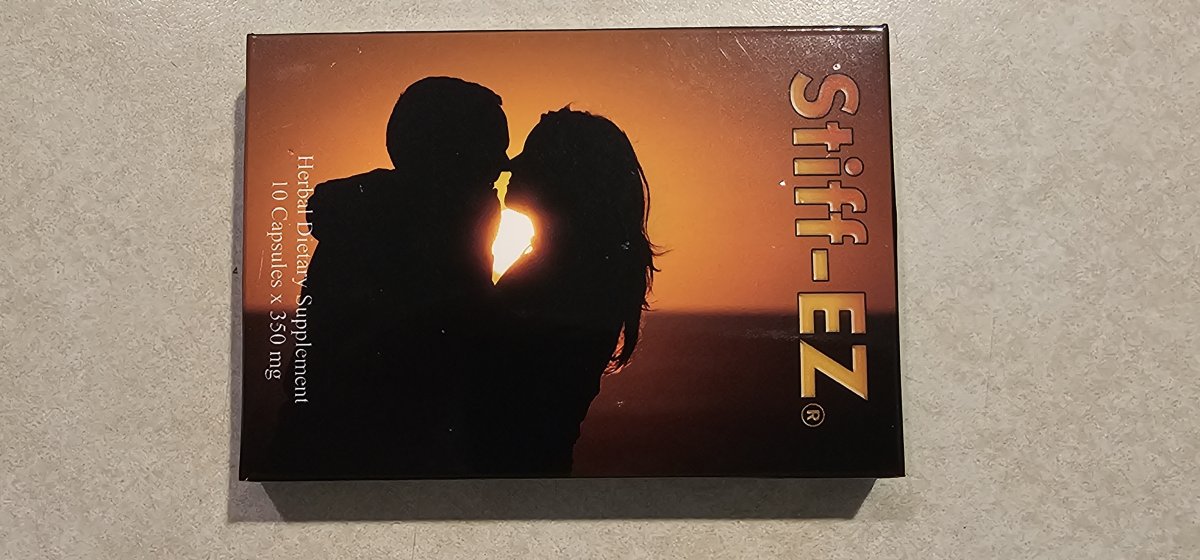
Step 1: Read the Supplement Facts panel like an auditor
A legitimate label discloses every ingredient and its amount in milligrams or micrograms. Watch for these specific patterns:
- "Proprietary blend" with no per-ingredient amounts. This is legal, but it hides how much of each ingredient is present. A blend listing 1,500 mg total tells you nothing about whether the active ingredient is 5 mg or 500 mg.
- Ingredient amounts that don't add up. If the blend total is smaller than the sum of the individual ingredients listed above it, the math is wrong, a sign of sloppy or deceptive labeling.
- No "Other Ingredients" line. Every product has excipients (fillers, binders, anti-caking agents). Their absence suggests the label was copied or fabricated.
- Units that don't match the ingredient. Herbal extracts are usually listed in mg; vitamins and minerals in mg or mcg with a % Daily Value. A "% Daily Value" on an herb like horny goat weed is a red flag, no such value exists.
Step 2: Verify the manufacturer, not just the brand
The brand name on the front is often a marketing shell. Look on the back or bottom for:
- A physical street address (not a P.O. box or a virtual office suite number)
- A phone number you can actually call during business hours
- A lot or batch number and an expiration date printed on the bottle, not just the outer box
- A manufacturer or distributor name that matches the brand, or a contract manufacturer you can look up
Search the manufacturer's name plus the words "FDA warning letter" and "recall" in a search engine. A pattern of enforcement actions against the same contract manufacturer is one of the strongest signals that a product line is unreliable.
Step 3: Cross-check the product against public warning databases
The FDA maintains a searchable list of tainted sexual enhancement products, often updated in waves when a cluster of related products is found to contain undeclared sildenafil, tadalafil, or similar drugs. Search the exact product name and the manufacturer name. If the product appears, stop there.
FDA tainted sexual enhancement products list
Also check:
- The FDA MedWatch safety reporting database for adverse events tied to the product or manufacturer
- The FTC for deceptive advertising actions against the seller
- Your state attorney general's consumer protection site for lawsuits or settlements
Step 4: Evaluate third-party testing claims honestly
Seals from NSF International, USP, and ConsumerLab mean something, but only if the seal is real and current. Verify by:
- Looking up the product on the certifying body's own website (not just trusting the image on the bottle)
- Checking that the certification covers the specific facility and product line, not just the parent company
- Noting that a "lab tested" claim with no certifying body named is marketing, not verification
Step 5: Score the seller
Before checkout, confirm the seller has a verifiable business address, a working customer service channel, a published return policy, and no pattern of unresolved complaints with the Better Business Bureau or your state consumer protection office. Sellers that only accept payment methods with no chargeback rights, wire transfers, cryptocurrency, peer-to-peer apps, remove your ability to recover money if the product is fake.
Male Enhancement Supplement Side Effects and Health Risks
Male enhancement supplements carry potential side effects that vary based on ingredients and individual health conditions.
More serious risks emerge when products contain hidden prescription drugs (the FDA). These can cause:
- Sudden vision loss or vision changes
- Severe drops in blood pressure
- Heart palpitations or chest pain
- Interactions with blood pressure medications
- Priapism (prolonged, painful erections requiring emergency care)
Men taking nitrates for heart conditions face particularly high risk.
Allergic reactions to supplement ingredients, though less common, can occur. Symptoms include rash, difficulty breathing, or swelling of the face or throat.
The risk multiplies when you don't know what's actually in the product. Hidden ingredients mean you can't anticipate interactions or side effects.
Red Flags in Packaging, Labeling, and Online Sellers
Poor packaging and labeling often signal low-quality or counterfeit products. Legitimate supplements invest in professional, clear labeling. Low-quality products frequently show:
- Misspelled words or grammatical errors on the label
- Blurry or pixelated text and logos
- Missing or illegible expiration dates
- No batch or lot numbers
- Vague ingredient descriptions or missing ingredient lists
- Claims that the product treats, cures, or prevents disease
Online sellers present additional risks. Counterfeit products flood e-commerce platforms. Warning signs include:
- Prices significantly lower than other retailers
- Sellers with no verifiable business history or address
- No customer service contact information
- Unusually fast shipping claims
- Pressure to buy in bulk immediately
- No return or refund policy
Reputable online retailers maintain transparent policies, provide clear product information, and stand behind their offerings with customer support. They don't pressure you into bulk purchases before you've tried a product.
What to Do If You Experience Adverse Effects
Adverse effects from a low-quality male enhancement product can range from annoying to life-threatening, and the right response depends on which you're facing. The steps below separate emergencies from follow-up care and tell you exactly how to report what happened.
Call 911 or go to an emergency room immediately if you have:
- Chest pain, pressure, or tightness
- Sudden vision loss or blurred vision in one or both eyes
- Difficulty breathing, throat swelling, or a spreading rash
- Fainting, near-fainting, or a severe drop in blood pressure
- An erection lasting more than four hours (priapism, this is a medical emergency that can cause permanent tissue damage)
- Signs of a stroke, sudden weakness on one side, slurred speech, confusion
These symptoms can indicate a reaction to an undeclared prescription drug such as sildenafil or tadalafil, a dangerous interaction with nitrates or blood pressure medication, or a severe allergic reaction. Do not wait to see if they pass.
For milder symptoms, headache, flushing, nasal congestion, upset stomach
Stop taking the product immediately. Most mild reactions resolve within hours to a day or two once the product is out of your system. Contact a healthcare provider if symptoms persist, worsen, or are unusual for you.
Document everything before you forget
Write down, or photograph:
- The exact product name, lot number, and expiration date from the bottle
- The date and time of each dose and the amount taken
- When symptoms started and how long they lasted
- Every other medication, supplement, or substance you took that day
- Any food or alcohol consumed around the same time
This record is what a clinician needs to assess the reaction, and it's what regulators need to connect your case to a pattern.
Report the reaction to the FDA
File an adverse event report through the FDA's MedWatch program. You can submit online, by mail, or by phone. You do not need to be a healthcare professional to file, consumers can and should report directly.
If the product was sold as a dietary supplement and you believe it was adulterated or mislabeled, you can also file a complaint with the FTC for deceptive advertising and with your state attorney general's consumer protection division. Reports from multiple consumers are what trigger recalls and warning letters.
Preserve the evidence
Keep the bottle, the outer packaging, the receipt, and any remaining product. Do not throw them away. If you seek medical care, bring the product with you, the actual material is what a lab would need to confirm an undeclared ingredient. If you file a report, regulators may ask you to send the sample.
Tell your healthcare provider
Even if symptoms were mild, mention the product at your next visit. A clinician can check for interactions with anything else you take and flag whether you're in a group, such as men on nitrates or alpha-blockers, for whom any PDE5 inhibitor exposure is risky. Do not try to self-diagnose whether a product was adulterated; that determination requires lab analysis, not symptom matching.
Frequently Asked Questions
How can you check whether a male enhancement supplement contains hidden ingredients?
Request the full ingredient list and Certificate of Analysis from the manufacturer. Look up each ingredient on the FDA website and cross-reference with independent lab testing databases. Verify the manufacturer's contact information and license. Counterfeit or adulterated products often lack transparent sourcing or refuse to provide detailed documentation. If a seller cannot provide a complete ingredient breakdown, that's a major warning sign of a low quality male enhancement product.
What should you do if a male enhancement supplement causes side effects?
Stop taking the product immediately and consult a healthcare provider, especially if you experience vision changes, chest pain, or difficulty breathing. Report the adverse event to the FDA's MedWatch program online or by phone at 1-888-SAFEFDA. Document the product name, batch number, and symptoms. Keep the bottle for reference. If you take prescription medications like nitrates for blood pressure, inform your doctor before using any male enhancement supplement to check for dangerous drug interactions.
Are male enhancement supplements FDA-approved?
Most dietary supplements, including male enhancement products, are not FDA-approved before sale. The FDA regulates them as dietary supplements under different rules than prescription drugs. However, the FDA can issue warnings or recalls if a product contains undeclared drugs, contaminants, or poses health risks. Check the FDA's website regularly for product notifications and warnings about specific male enhancement brands and ingredients.
Can male enhancement supplements interact with prescription medications?
Yes, many male enhancement supplements contain active pharmaceutical ingredients or herbal compounds that interact dangerously with prescription drugs. Nitrates used for blood pressure or heart conditions can cause severe drops in blood pressure when combined with certain supplements. Always disclose all supplements to your healthcare provider, especially if you take blood pressure medication, heart drugs, or other prescriptions. This is critical for men over 50 who may already be managing chronic health conditions.