
Is Bulk Buying Supplements Actually Cheaper
Sep 28th 2026
Table of Contents
- The Real Math Behind Bulk Buying Supplements
- Cost Per Serving: How to Calculate True Savings
- Hidden Costs That Eat Into Your Savings
- How to Choose the Right ED Supplement for Bulk Purchasing
- How to Avoid Counterfeit Supplements and Protect Your Investment
- Storage, Shelf Life, and Potency Preservation
- When Bulk Buying Makes Sense, and When It Doesn't
- Frequently Asked Questions
Last Updated: September 18, 2026
The Real Math Behind Bulk Buying Supplements
Is bulk buying supplements actually cheaper? The answer depends on whether you're calculating cost per serving or total out-of-pocket spending. Many people assume buying in bulk automatically saves money. The math tells a different story.
Per-unit cost drops with bulk purchases, but savings evaporate if product expires before use. The real question is whether you'll consume what you buy before potency degrades.
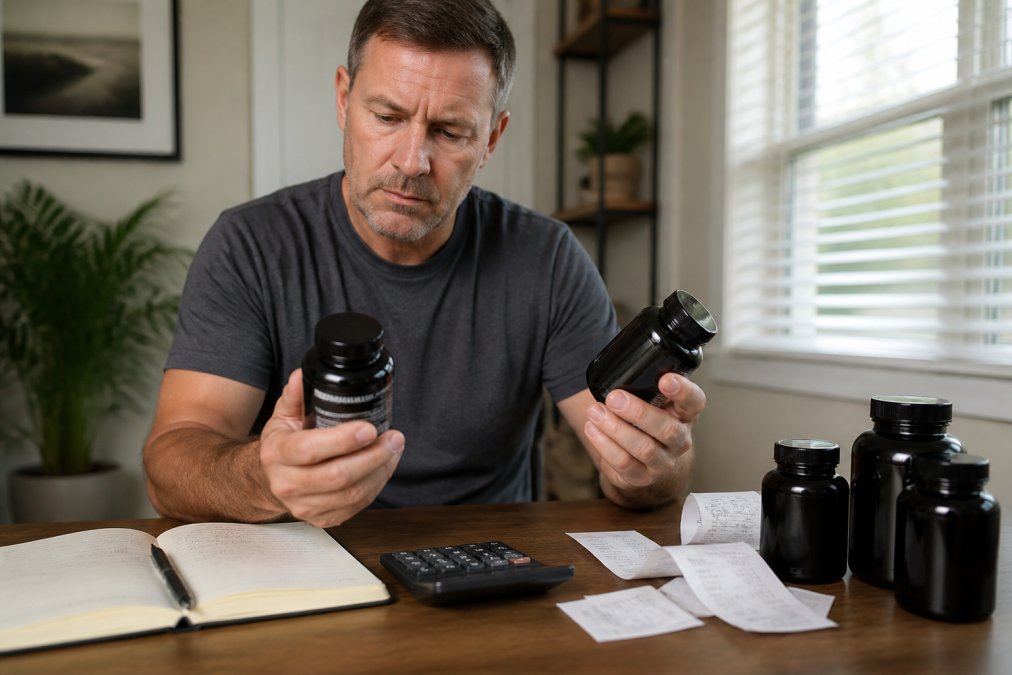
LibertyNorth offers bulk-buy incentives like our "Buy 3 Get 1 FREE" offer on Male Overdrive and "Buy 7 Get 3 FREE" deal on Stiffereen. But savings only materialize if you use the product consistently. A bulk purchase that sits in your cabinet losing potency is no bargain.
Cost Per Serving: How to Calculate True Savings
Calculate cost per serving by dividing total bulk cost by total servings, then compare to single-bottle per-serving cost. This reveals whether you're getting a genuine discount or just spending more upfront.
For example, if a single bottle contains 30 servings, and a bulk purchase for five bottles contains 150 total servings, the per-serving cost can be lower. This can represent a discount, but only if you consume all 150 servings before expiration.
Shelf life changes the math. If you use only 100 of 150 servings before degradation, your effective cost per serving jumps to $1.80, more than buying individual bottles.
Hidden Costs That Eat Into Your Savings
Bulk buying creates hidden expenses that eliminate apparent savings. Calculate these before committing to large orders.
Storage Equipment and Climate Control
Proper storage may require airtight containers, desiccant packets, and potentially climate control. A dehumidifier or wine cooler may be necessary to maintain optimal conditions.
If a bulk purchase saves money but requires storage equipment, your actual savings may be reduced. First-time bulk buyers often find upfront storage costs can affect the overall discount.
Oxidation and Potency Degradation
Supplements lose potency over time: vitamins lose 5-10% annually under optimal conditions; herbal extracts and amino acids lose 10-15% annually. If improper storage causes 20% degradation by month 6, your effective cost per serving increases because you're consuming less-potent doses.
Spoilage and Expiration Waste
Spoilage is the largest hidden cost. A 2024 Council for Responsible Nutrition survey found 30% of users take breaks of a month or longer. If you're in that group, a six-month bulk supply becomes a nine-month supply in real time, pushing expiration dates closer and increasing waste risk. A bulk order with waste can increase the effective per-serving cost.
Psychological Over-Consumption Bias
Having a large supply increases consumption rates. If recommended dose is one serving daily but you take 1.5 servings with 150 on hand, your six-month supply becomes four months. Track actual daily intake for 30 days before bulk purchasing to predict whether this bias will affect your purchase.
Calculating Your True Savings
Calculate: (Bulk discount) − (Storage equipment) − (Spoilage loss) − (Increased consumption) = Actual savings. If actual savings is low, the benefit may not justify the commitment.
How to Choose the Right ED Supplement for Bulk Purchasing
Test a single bottle for 30 days before bulk purchasing. Confirm effectiveness, tolerance, and absence of adverse reactions. Buying ten bottles of a product that doesn't work wastes money regardless of discount.
Consider your lifestyle. If your schedule is unpredictable or you travel frequently, smaller purchases prevent waste. If you maintain a stable routine and take supplements daily, bulk purchasing aligns with your consumption pattern.
Evaluate potency preservation requirements. Products requiring strict temperature control or airtight storage make bulk purchasing riskier. Choose supplements with longer shelf lives and forgiving storage requirements.
LibertyNorth's Male Overdrive and Stiffereen are formulated for consistent daily use. Our bulk-buy incentives work best for customers committed to long-term supplementation. If you're uncertain about long-term use, start with single bottles before exploring bulk options.
How to Avoid Counterfeit Supplements and Protect Your Investment
Counterfeit supplements are a serious risk in bulk purchasing. Buying large quantities of fake product is far more costly than overpaying for authentic supplements. Counterfeit products waste money and pose potential health risks.
Purchase only from authorized retailers and manufacturer direct sources. Check for third-party testing certifications from recognized organizations. Examine packaging for printing errors, misspelled ingredients, or inconsistent formatting. Verify batch numbers and expiration dates. Request certificates of analysis showing third-party testing results; refusal is a red flag.
Storage, Shelf Life, and Potency Preservation
Proper storage protects your bulk investment, but not all supplements suit bulk buying. Understanding storage requirements and degradation rates determines whether bulk purchasing makes financial sense.
Shelf Life by Supplement Category
Shelf life varies by product type:
- Vitamins and minerals: 2-3 years; safe for bulk purchasing.
- Protein powders and amino acids: 12-18 months; moderate-risk for bulk purchasing.
- Herbal extracts: 6-12 months; higher-risk for bulk purchasing.
- Pre-workout and energy formulations: 12-24 months; moderate-risk for bulk buying.
- Omega-3 and fish oil: 6-12 months; high-risk for bulk purchasing unless frozen.
For supplements with shelf life under 12 months, bulk orders should not exceed realistic consumption rate. A six-month supply of a 12-month shelf-life product is reasonable; a 12-month supply is risky.
Storage Conditions and Potency Loss Rates
Storage conditions impact degradation:
- Temperature: Maintain 50-70°F; degradation roughly doubles for every 10°F above 70°F.
- Humidity: Keep below 60%; use desiccant packets replaced every 2-3 months. Humid environments degrade supplements 30-50% faster.
- Light: Use opaque amber glass or dark plastic containers. Clear bottles near windows lose potency 2-3 times faster.
Suboptimal storage (warm kitchen, humid bathroom, bright shelf) makes bulk purchasing economically risky. Faster degradation offsets the bulk discount.
Practical Storage Setup for Bulk Purchases
If you're committed to bulk purchasing, invest in a proper storage system:
- Airtight containers: Use glass or food-grade plastic with tight-sealing lids. Label each container with the supplement name, purchase date, and expiration date.
- Desiccant packets: Include silica gel or molecular sieve desiccants. Replace every 2-3 months, or more frequently in humid climates.
- Dark storage location: A cool closet, basement, or pantry away from windows and heat sources. Avoid kitchens, bathrooms, and areas near appliances.
- Temperature monitoring: If you're storing supplements for 6+ months, a simple thermometer in your storage area helps confirm conditions stay in the 50-70°F range.
- Rotation system: Use "first in, first out" (FIFO) rotation. Place new purchases behind older stock so you consume older product first. This prevents accidentally using expired supplements.
The Storage-Cost Trade-Off for Bulk Purchasing
Here's where storage decisions directly impact your ROI: Without ideal storage conditions, bulk purchasing becomes less economical. Savings offset by storage equipment costs can make smaller purchases more practical. If you already have cool, dark, dry storage space, bulk purchasing becomes more economical.
Supplements to Avoid Bulk Purchasing
Avoid bulk purchasing:
- Omega-3 and fish oil: Oxidize rapidly; opened bottles degrade within 3-4 months.
- Probiotics: Require refrigeration; degradation accelerates in warm conditions.
- Supplements with enzymes or probiotics: Shorter shelf lives; bulk purchasing increases waste risk.
- Liquid supplements and tinctures: Degrade faster than powders; prone to contamination.
When Bulk Buying Makes Sense, and When It Doesn't
Bulk buying makes sense when you've confirmed product effectiveness, understand your consumption patterns, have proper storage, and are committed to long-term use. LibertyNorth's "Buy 3 Get 1 FREE" on Male Overdrive and "Buy 7 Get 3 FREE" on Stiffereen represent genuine savings for committed daily users.
Avoid bulk buying for untested supplements, inconsistent consumption, inadequate storage, or likely product changes. Skip bulk orders for supplements with short shelf lives or strict storage requirements, storage costs often exceed discounts. Consider budget constraints; bulk purchases tie up capital upfront.
Bulk buying supplements requires honest assessment of your consumption patterns, storage capacity, and commitment to long-term use.
Frequently Asked Questions
Does buying supplements in bulk actually save money in the long run?
Bulk buying can save money per unit, but only if you use the product before it loses potency. The real savings depend on your consumption rate, storage conditions, and shelf life. Calculate your cost per serving using the number of servings you'll actually use within the supplement's expiration window. Many buyers overspend on bulk quantities they never finish, negating any per-unit discount.
How do I calculate the true cost per serving for a bulk supplement purchase?
Divide the total price by the number of servings in the container. For example, if a bulk bottle contains 120 servings, you can calculate your cost per serving. Compare this to retail pricing, but factor in storage costs and the risk of degradation. Account for dosage accuracy, if you need 2 servings daily, a 120-serving bottle lasts 60 days. Verify expiration dates to ensure you'll consume it within that window.
What makes counterfeit supplements dangerous, and how can I verify legitimacy?
Counterfeit supplements may contain incorrect ingredients, harmful fillers, or no active compounds at all, creating safety and efficacy risks. Purchase only from authorized retailers or the manufacturer directly. Check for third-party testing seals from recognized labs, verify batch numbers on the manufacturer's website, and inspect packaging for spelling errors or inconsistent branding. Unusually low pricing is a red flag. Request certificates of analysis showing purity and ingredient verification.
What hidden costs should I consider when buying supplements in bulk?
Beyond the purchase price, factor in storage equipment costs (airtight containers, desiccants, climate-controlled storage), potential spoilage if potency degrades before use, and the risk of psychological over-consumption bias, having large quantities on hand can lead to higher dosages than recommended. Shelf life varies by supplement type; herbal extracts and vitamins degrade faster than minerals. Calculate the real cost per serving only for the amount you'll actually consume before expiration.