
How to Maintain Erection Firmness Naturally: 7 Steps
Oct 5th 2026
Table of Contents
- How to Maintain Erection Firmness Naturally: A Step-by-Step Plan
- Lifestyle Changes for Erectile Dysfunction That Support Firmer Erections
- Exercises for Stronger Erections: What to Do Each Week
- Foods and Vitamins for Erectile Health: What the Evidence Says
- Stress, Sleep, and Habits That Affect Erection Firmness
- Tracking Progress: How to Measure Erection Quality and Consistency
- When to See a Doctor for Erectile Dysfunction
- Conclusion: Building Long-Term Habits for Erection Firmness
- Frequently Asked Questions
Last Updated: October 5, 2026
How to Maintain Erection Firmness Naturally: A Step-by-Step Plan
Learning how to maintain erection firmness naturally starts with the basics: blood flow, hormones, sleep, stress, and daily habits all shape how reliably your body responds. This guide from LibertyNorth walks through seven practical steps, from exercise to stress control, that support firmer, more consistent erections over time.
Erection firmness depends on healthy blood vessels, steady hormone levels, and a calm nervous system. When any of those slip, firmness often slips too.
The good news? Most age-related changes respond well to lifestyle adjustments. Below, we'll show you exactly how to build a routine that supports erection quality, week by week.
- Get a baseline checkup and review medications
- Move your body most days of the week
- Eat for blood vessel health
- Cut back on alcohol and stop smoking
- Build a sleep routine
- Manage stress and anxiety
- Track progress and talk to your partner
Lifestyle Changes for Erectile Dysfunction That Support Firmer Erections
Lifestyle changes for erectile dysfunction work because they target the root causes: poor circulation, excess weight, and low activity. Many men find that small, consistent adjustments do more for erection firmness than any single supplement.
Start with the habits that carry the most weight:
- Weight and waist size. Extra weight strains blood flow and lowers testosterone.
- Blood pressure and blood sugar. Both damage the small vessels erections depend on.
- Smoking and heavy drinking. Both narrow blood vessels over time.
- Sitting all day. Long stretches of inactivity slow circulation.
A common mistake is chasing a quick fix while ignoring these basics. In practice, the men who see lasting change treat firmness as a whole-body health project.
For context on how lifestyle factors connect to erectile function, the Urology Care Foundation patient resources offer plain-language guidance worth reviewing.
Exercises for Stronger Erections: What to Do Each Week
Exercises for stronger erections focus on two things: cardiovascular fitness and pelvic floor strength. Aim for at least 150 minutes of moderate activity per week, plus targeted pelvic work.
Here's a simple weekly plan:
- Brisk walking or jogging: 30 minutes, 4-5 days
- Kegel exercises: 3 sets of 10, daily
- Strength training: 2 days per week
- Stretching or yoga: 2-3 days per week
Pelvic floor exercises, often called Kegels, are the most direct. Squeeze the muscles you'd use to stop urine mid-flow. Hold for a few seconds, then relax.
Foods and Vitamins for Erectile Health: What the Evidence Says
Foods and vitamins for erectile health can help, but the strength of the evidence varies enormously from one item to the next. Rather than treating every claim as equal, it helps to sort them into three buckets: well-supported, promising but unproven, and skip-it.
Well-supported (food-first). A dietary pattern rich in vegetables, fruit, whole grains, legumes, nuts, and fish is consistently linked to better vascular health, and erection firmness is fundamentally a vascular event, it depends on nitric oxide signaling that relaxes the smooth muscle in the penile arteries so they can fill. Nutrients that feed that system include:
- Nitrate-rich vegetables, leafy greens, beets, arugula. Dietary nitrate is converted to nitric oxide, the same molecule many prescription ED drugs work by preserving.
- Fatty fish, salmon, sardines, mackerel, for omega-3s that support endothelial (blood vessel lining) function.
- Nuts and seeds, pumpkin seeds, walnuts, almonds, for zinc, magnesium, and the amino acid arginine, a nitric oxide precursor.
- Berries and citrus, for flavonoids and vitamin C, which support vessel health.
Promising but unproven. Small studies suggest some supplements may help, but the trials are typically short, small, and inconsistent:
- L-arginine and L-citrulline, amino acids that feed nitric oxide production. Citrulline is often preferred because it survives digestion better and is converted to arginine in the body.
- Pine bark extract (pycnogenol), studied in combination with L-arginine in a few small trials.
- Panax ginseng, some positive signals, but product quality varies widely.
Skip it. "Testosterone boosters," proprietary blends, and products marketed with before-and-after photos rarely disclose full ingredient lists or doses. Without that, there's no way to judge whether the product matches anything that was actually studied.
Why supplement safety deserves real caution
The FDA's guidance on dietary supplements explains that supplements are not reviewed for effectiveness before they're sold, and manufacturers, not the agency, are responsible for safety and labeling. In practice that means:
- Interactions are real. L-arginine and citrulline can amplify the blood-pressure-lowering effect of nitrates (like nitroglycerin) and some blood pressure medications, which can cause a dangerous drop.
- Undisclosed ingredients happen. Some "male enhancement" products have been found to contain prescription drug analogs not listed on the label.
- Dose is often a guess. Even when an ingredient has evidence, the studied dose may be far higher or lower than what's in the bottle.
If you take any prescription medication, especially for blood pressure, heart conditions, or blood thinners, talk to your doctor or pharmacist before adding a supplement. Bring the actual bottle so they can read the ingredient panel.
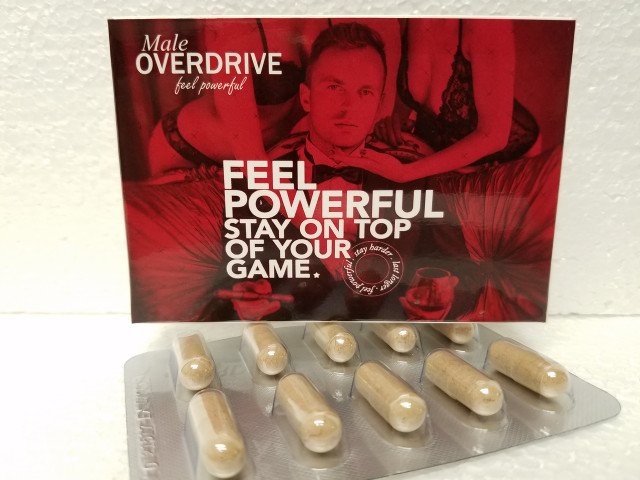
Food first, supplements second, and a conversation with your clinician before either. LibertyNorth stocks male wellness products like Male Overdrive and Stiffereen, and we're upfront that supplements work best alongside the lifestyle steps above, not instead of them. Building a foundation of physical health through these habits creates the necessary confidence to spice up intimacy and deepen your connection with a partner.
Stress, Sleep, and Habits That Affect Erection Firmness
Stress and poor sleep quietly undermine erection firmness. When you're anxious or exhausted, your body stays in a "guard" state that works against arousal.
The fix isn't complicated, but it takes consistency:
- Sleep 7-8 hours on a steady schedule
- Limit screens an hour before bed
- Try breathing exercises when stress spikes
- Cut back on alcohol, which disrupts deep sleep
Relaxation techniques like slow breathing, meditation, or a walk after dinner lower stress hormones. Many men find that performance anxiety fades once they stop treating each encounter as a test.
Counseling can help too. Sex counseling and open partner communication reduce the pressure that feeds the problem. Sometimes the most effective step is simply talking about it.
Tracking Progress: How to Measure Erection Quality and Consistency
Tracking progress turns vague worry into clear data. Rate your erection quality on a simple 1-5 scale after each intimate moment, and note the day, sleep, and stress level.
A basic tracking method:
| What to Track | How to Rate It | Why It Matters |
|---|---|---|
| Firmness | 1 (soft) to 5 (firm) | Shows the trend over weeks |
| Consistency | How often it happens | Reveals patterns |
| Sleep | Hours last night | Links rest to results |
| Stress | Low, medium, high | Spots anxiety triggers |
| Exercise | Minutes that day | Connects activity to firmness |
Review your notes every two weeks. Look for patterns, not single bad days. Temporary changes are normal; a two-week downward trend is worth a doctor's visit.
When to See a Doctor for Erectile Dysfunction
Not every soft night is erectile dysfunction. The distinction matters because temporary changes usually resolve on their own, while persistent ones can be an early signal of a condition worth treating.
Temporary changes vs. persistent ED
Likely temporary if the change tracks with a specific trigger and reverses when the trigger does:
- A stretch of poor sleep, high stress, or heavy drinking
- A new medication started in the last few weeks
- A single anxious encounter, especially with a new partner
- Recovery from illness, surgery, or intense training
More likely persistent if the pattern holds for several weeks regardless of circumstances:
- Firmness is consistently reduced across partners and situations
- Morning erections have disappeared for weeks
- The change came on gradually and keeps worsening
- It appears alongside fatigue, low mood, or reduced sex drive
A useful rule of thumb: if you've had trouble maintaining firmness on most attempts for three months or more, that meets the common clinical threshold for evaluating erectile dysfunction. A shorter but sudden change, especially with other symptoms, deserves a call sooner.
Why persistent ED is worth a real workup
Erections depend on blood vessels, nerves, hormones, and the brain all working together. When firmness persistently fails, it's often the first place a systemic problem shows up, because the penile arteries are smaller than the coronary arteries, they can narrow earlier and produce symptoms sooner.
The National Institute of Diabetes and Digestive and Kidney Diseases notes that erection problems can point to conditions affecting blood flow and nerves. Common underlying contributors include:
- Cardiovascular disease and high blood pressure, narrowed or stiff arteries reduce inflow
- Diabetes and prediabetes, high blood sugar damages small vessels and nerves over time
- Low testosterone, affects desire, and can affect firmness indirectly
- Medication side effects, some blood pressure drugs, antidepressants, and hair-loss treatments are known contributors
- Depression and anxiety, can suppress arousal signals and create a self-reinforcing cycle
Red flags that mean call now, not later
- Chest pain, shortness of breath, or pain radiating to the arm or jaw
- Sudden numbness, weakness, or difficulty speaking
- An erection that lasts hours and won't go away (priapism), this is a medical emergency
- Firmness problems that appear suddenly after starting a new medication
What a visit actually looks like
A clinician will typically review your medications and health history, check blood pressure, and may order blood work for blood sugar, cholesterol, and testosterone. Depending on findings, they may refer you to a urologist. First-line treatments and patient selection vary, so a proper evaluation matters, and in many cases, addressing the underlying condition improves firmness as a side benefit.
Conclusion: Building Long-Term Habits for Erection Firmness
Erection firmness rarely improves from one change alone. It comes from stacking habits: movement, sleep, stress control, and smart supplementation, repeated over months.
That's where LibertyNorth fits in. We offer male wellness products like Male Overdrive and Stiffereen, with bulk-buy value that keeps a long-term routine affordable.
Get started with LibertyNorth and build the daily habits that support firmness, energy, and confidence for the long run. Add to Cart.
Frequently Asked Questions
How to get a firmer erection naturally?
Start with regular aerobic exercise like brisk walking or cycling for 30 minutes most days, which improves blood flow. Add pelvic floor exercises, eat a diet rich in fruits, vegetables, and whole grains, and aim for 7 to 9 hours of sleep. Managing stress through relaxation techniques also helps. These steps support erection firmness over time, but if changes last more than a few weeks, talk to a doctor.
Can exercise help improve erection firmness?
Yes. Regular physical activity, especially aerobic exercise, supports healthy blood vessels and circulation, which are key for firm erections. Aim for at least 150 minutes of moderate activity per week, such as brisk walking or swimming. Pelvic floor exercises (Kegels) can also strengthen the muscles involved in maintaining an erection. Consistency matters more than intensity, so pick activities you enjoy and stick with them.
What vitamin helps a man stay hard?
No single vitamin guarantees firmness, but some nutrients support erectile health. Vitamin D, B vitamins, and antioxidants like vitamin C and E may help when deficiencies exist. However, supplements are not a quick fix. A balanced diet with fruits, vegetables, and lean proteins is more reliable. Always check with a doctor before starting any supplement, especially if you take medications for blood pressure or other conditions.
When should I talk to a doctor about erection problems?
See a doctor if you have persistent difficulty getting or maintaining an erection for more than a few weeks, or if it happens more than half the time. Also seek medical advice if you have other symptoms like chest pain, leg pain, or changes in urination. Erection changes can sometimes signal underlying conditions such as heart disease or diabetes, so a health assessment is worthwhile.