
How to Improve Stamina Naturally at 60: A Guide
Sep 28th 2026
Table of Contents
- Stamina Building Exercises for Seniors
- Foods That Increase Energy for Men
- Natural Ways to Boost Confidence in Bed
- Sleep Hygiene and Restorative Sleep
- Managing Stress Levels and Mental Stamina
- Gradual Progression and Recovery Protocols
- Conclusion
- Frequently Asked Questions
Last Updated: September 28, 2026
Stamina Building Exercises for Seniors
Learning how to improve stamina naturally at 60 starts with movement that respects your joints while rebuilding your engine, and the same habits help you improve stamina naturally at any age. This guide from LibertyNorth covers the exercises, foods, sleep habits, and recovery methods that actually move the needle. Low-impact cardio and strength training form the foundation, and everything else builds on top of them.
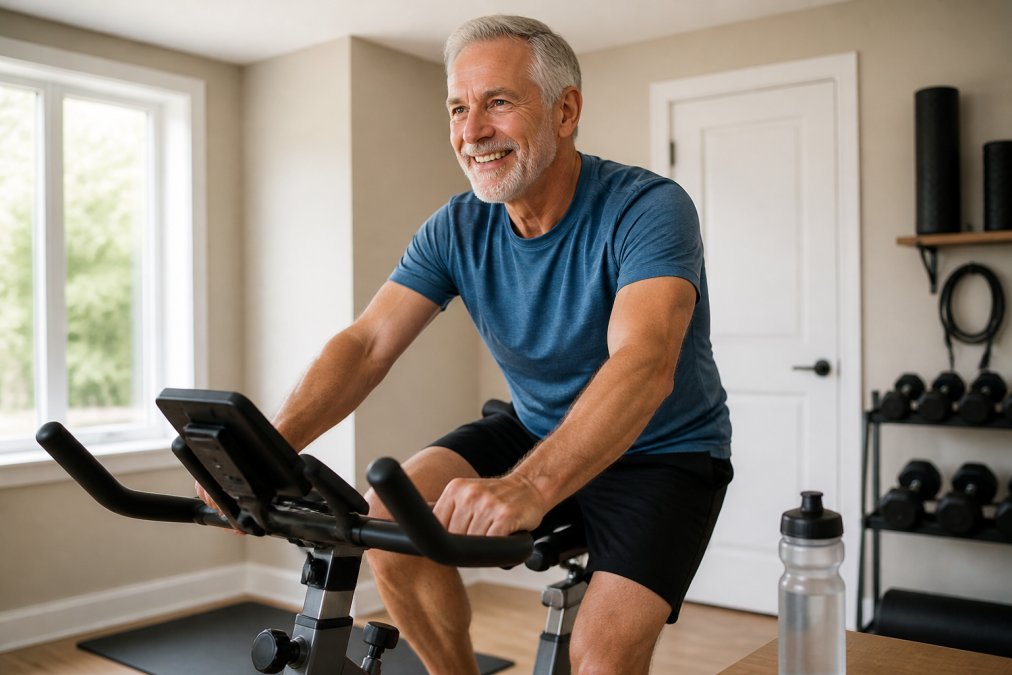
Low-Impact Cardio for Aerobic Capacity
Low-impact cardio builds aerobic capacity without pounding your knees and hips. A common mistake is going too hard too soon, which leads to soreness and quitting by week two.
Try these instead:
- Stationary cycling for 20-30 minutes, three times a week
- Brisk walking on flat ground, building to 30 minutes
- Swimming or water aerobics for zero joint stress
- Tai chi for balance and gentle conditioning
Strength Training for Muscle Mass and Bone Density
Strength training protects muscle mass and bone density, both of which decline faster after 60. Muscle is metabolically active tissue, so more of it means more usable energy day to day.
A simple twice-weekly routine works:
- Bodyweight squats or chair sits
- Resistance band rows
- Light dumbbell presses
- Step-ups on a low platform
Foods That Increase Energy for Men
Foods that increase energy for men should focus on whole foods and steady fuel, not quick sugar spikes. The goal is stable blood sugar, which means stable energy through the day.
Build meals around:
- Lean protein: eggs, chicken, fish, Greek yogurt
- Complex carbs: oats, brown rice, sweet potatoes
- Healthy fats: olive oil, nuts, avocado
- Antioxidant-rich produce: berries, leafy greens, tomatoes
Hydration and Its Role in Stamina
Dehydration is one of the most overlooked causes of fatigue in men over 60. The thirst signal weakens with age, so you may be behind on fluids without feeling thirsty.
Aim for:
- 6-8 glasses of water daily, more in heat or after exercise
- Water before, during, and after workouts
- Limit alcohol, which drains hydration and disrupts sleep
Natural Ways to Boost Confidence in Bed
Natural ways to boost confidence in bed come down to three things: circulation, pelvic strength, and mental calm. Physical stamina and bedroom confidence share the same systems, so improving one tends to help the other. Maintaining this physiological resilience requires a robust foundation, which is why incorporating natural immune boosters remains a vital component of long-term vitality for seniors.
- Stay active: blood flow is the foundation of performance
- Cut back on alcohol and smoking
- Manage stress before it manages you
- Talk openly with your partner
Pelvic Floor Health and Physical Coordination
Pelvic floor exercises strengthen the muscles that support bladder control and sexual function. These muscles weaken with age, but they respond well to training at any age.
Try this routine:
- Squeeze the muscles you'd use to stop urine mid-flow
- Hold for 3-5 seconds, then relax for the same
- Repeat 10 times, three times daily
- Add quick pulses for coordination
Sleep Hygiene and Restorative Sleep
Restorative sleep is when your body repairs muscle, balances hormones, and refills energy stores. Poor sleep hygiene undercuts every other stamina effort you make.
Fix your sleep with these steps:
- Keep a consistent bedtime and wake time
- Avoid screens for an hour before bed
- Keep the room cool, dark, and quiet
- Skip caffeine after early afternoon
- Get morning sunlight to set your body clock
Managing Stress Levels and Mental Stamina
Mental stamina is the half of the equation most guides ignore. Physical endurance means little if your mind is drained by mid-afternoon.
Chronic stress raises cortisol, which:
- Disrupts sleep
- Lowers libido
- Saps physical energy
- Increases chronic inflammation
Simple stress reduction tools:
- 10 minutes of deep breathing daily
- A short walk outdoors
- Time with people you enjoy
- Limits on news and screen time
Gradual Progression and Recovery Protocols
Progression is where most men over 60 either stall or get hurt. Push too little and nothing changes. Push too much and you're sidelined for three weeks with a strained tendon or a flare of joint pain. The fix is a progression model built for a body that recovers slower than it did at 40, and a recovery protocol that treats rest as training, not as time off.
The 10% Rule, Applied Honestly
Increase one variable at a time, time, distance, or weight, by no more than 10% per week. That sounds conservative until you do the math: a 10% weekly bump compounds to roughly a 60% increase over five weeks. That's a real training effect, and it's sustainable.
| Area | What to Do | How Often |
|---|---|---|
| Cardio | Add 5 minutes per week, or one extra session | Weekly |
| Strength | Add one rep, or a small weight bump (2.5-5 lb) | Every 1-2 weeks |
| Rest days | Full recovery, light walking only | 1-2 days per week |
| Stretching | Flexibility and joint health work | Daily, 5-10 minutes |
Active Recovery: What It Actually Looks Like at 60
A rest day is not a couch day. Blood flow is what clears metabolic waste from sore muscles, and at 60 that clearance is slower. Active recovery means 20-40 minutes of easy movement that keeps you under a 3-out-of-10 effort level:
- A relaxed walk on flat ground
- Gentle swimming or water walking
- Foam rolling the calves, quads, and upper back for 5-10 minutes
- A short yoga or tai chi flow
Sleep Is the Recovery Protocol
You can't out-train poor sleep. Deep sleep is when growth hormone peaks and muscle repair happens. If you're getting under seven hours, your recovery window shrinks and your injury risk climbs. Treat your bedtime like a training appointment: consistent wake time, dark cool room, no screens for an hour before, and no caffeine after early afternoon.
The Medication Conversation Most Guides Avoid
This is the part that separates a useful guide from a generic one. Many men over 60 are on medications that quietly affect energy, hydration, and how hard it's safe to push:
- Beta-blockers (common for blood pressure) blunt heart rate. Your target heart rate zone from a standard chart may be wrong for you, you may need to use perceived exertion instead of a heart-rate monitor.
- Diuretics (water pills) increase fluid loss. You may need more water and electrolytes than the standard 6-8 glasses, especially in summer or during sweaty workouts.
- Statins can cause muscle aches in some people. If soreness lingers beyond a few days or feels different from normal training soreness, that's a conversation with your prescriber, not a reason to push through.
- Alpha-blockers (often prescribed for prostate issues) can cause dizziness when standing quickly, which matters during exercise transitions.
- Antihistamines and some antidepressants can cause drowsiness or dry mouth that affects hydration and workout quality.
Supplements: Check Before You Stack
Some supplements interact with common prescriptions. Vitamin K can interfere with blood thinners. St. John's Wort can reduce the effectiveness of several medications. Even high-dose niacin can interact with statins. The rule is simple: run any new supplement past your pharmacist first. Pharmacists are trained specifically for this and most will answer a quick question at no cost.
When to Pull Back
Stop and rest, and call your doctor if it doesn't resolve, when you notice:
- Chest pain, pressure, or shortness of breath that's new
- Dizziness or lightheadedness during or right after exercise
- Joint pain that lasts more than a few days
- Unusual fatigue that doesn't improve with a rest day
- A resting heart rate that's noticeably higher than your normal
MedlinePlus drug and supplement interaction information
Conclusion
Building stamina after 60 takes patience, consistency, and the right support. If you want a natural boost alongside your exercise and sleep routine, LibertyNorth offers Male Overdrive and Stiffereen with bulk-buy value: Buy 3 Get 1 FREE on Male Overdrive, and Buy 7 Get 3 FREE or Buy 5 Get 2 FREE on Stiffereen. Add to Cart today and take the next step toward lasting energy and confidence.
Frequently Asked Questions
How to build up stamina over 60?
Building stamina after 60 starts with gradual progression. Begin with low-impact cardio like stationary cycling or tai chi for 20 minutes, three times a week, and add strength training twice weekly. Pair this with whole foods, hydration, and restorative sleep. Track your heart rate monitoring to stay in a safe range, and increase intensity by no more than 10% each week to protect joint health and bone density.
What drink increases stamina?
Water is the most effective drink for stamina. Dehydration reduces aerobic capacity and energy levels, so aim for 6 to 8 cups daily. For a natural boost, green tea provides antioxidants and a small amount of caffeine that supports physical coordination and mental stamina. Beet juice contains nitrates that may improve blood flow during exercise. Avoid sugary energy drinks, which cause rapid spikes and crashes in energy levels.
What are the best natural ways to boost confidence in bed at 60?
Natural ways to boost confidence in bed include pelvic floor exercises, regular strength training, and stress reduction through tai chi or meditation. Foods rich in vitamin D and antioxidants support metabolic health and blood flow. Getting 7 to 8 hours of restorative sleep helps balance hormones. Many men also find that cutting back on alcohol and quitting smoking improves stamina and confidence significantly within a few weeks.
How does nutrition impact stamina in older adults?
Nutrition directly affects stamina in older adults. Whole foods and plant-based nutrition reduce chronic inflammation and support cardiovascular disease prevention. Lean protein maintains muscle mass, while complex carbohydrates provide sustained energy. Vitamin D and antioxidants from fruits and vegetables protect cells from damage. Men over 60 should prioritize fiber, healthy fats, and adequate hydration to maintain energy levels throughout the day.