
How to Boost Energy and Libido: A Practical Guide
Posted by Editorial Team on Oct 27th 2026
Last Updated: October 28, 2026
Quick Summary
To boost energy and libido, start with the foundations: sleep seven to eight hours nightly, walk 30 minutes most days, and clean up your diet while cutting alcohol. Stack these habits in order of impact, giving each two to three weeks, and treat supplements as an optional add-on only after the basics are in place.
- Low energy and low libido often share the same foundations: sleep, movement, food, stress, and hormone levels.
- Most men notice sleep changes within two to three weeks, with energy improving before desire.
- Exercise should include 30-minute brisk walks, two weekly strength sessions, and daily pelvic floor exercises.
- Stress raises cortisol and drains energy, so manage it with walks, breathing exercises, or a hobby.
- See a doctor if desire or energy stays low for a month or more, or fatigue doesn't improve with rest.
Table of Contents
- Why Energy and Libido Decline Together
- Start With Sleep: How Sleep Affects Sex Drive
- Move More: Exercise for Stamina and Sexual Health
- Foods That May Support Libido and Steady Energy
- How to Increase Male Libido: Stress, Mood, and Communication
- Build a Prioritized Plan to Boost Energy and Libido
- When to See a Doctor for Low Libido
- Choosing a Natural Supplement That Fits Your Routine
- Frequently Asked Questions
Why Energy and Libido Decline Together
Low energy and low libido usually travel as a pair, and the reason is simple: both depend on the same foundations. Sleep, movement, food, stress, and hormone levels feed your sex drive and your daily stamina from the same tank.
Low libido is a persistent drop in sexual desire or interest. Fatigue is a lasting lack of physical or mental energy that rest doesn't repair. They overlap, but they are not the same thing.
How to Tell Low Energy From Low Libido
The two problems look alike from the outside. Inside, they are different.
Ask yourself one question: Is the desire gone, or is the fuel gone?
- Low energy only: You still want sex, but you're too tired to act on it.
- Low libido only: You have energy for work and hobbies, but sexual interest has faded.
- Both: Desire is low and daily stamina is low. This is the most common pattern.
That distinction matters. Tiredness responds well to sleep and movement. Lost desire may point to hormones, medication, or stress.
Watch out: if you assume every dip is "just age," you may miss a treatable cause.
Start With Sleep: How Sleep Affects Sex Drive
Sleep is the first lever to pull, because it's free and it touches everything else. Poor sleep lowers energy, raises stress, and blunts sexual interest.
Aim for seven to eight hours a night. Keep a consistent bedtime, even on weekends. Cut screens and late caffeine. Keep the room cool and dark.
Most men notice a change within two to three weeks. Energy improves first. Desire usually follows.
Here's the part most guides skip: sleep loss hits hormone levels directly.
If you snore loudly or wake up gasping, mention it to a doctor.
Move More: Exercise for Stamina and Sexual Health
Exercise is the most reliable natural boost for both energy and sexual function.
You don't need a gym membership. Start with what fits your week:
- Brisk walking: 30 minutes, most days
- Strength training: two sessions a week, focusing on legs and core
- Pelvic floor exercises: a few minutes daily to support erection quality
Physical activity also eases anxiety, which is a common block to sexual excitement. Men who move regularly tend to report better mood and steadier energy.
A common mistake is going too hard too fast. Sore and exhausted is not the goal. Consistency beats intensity, especially after 50.
Foods That May Support Libido and Steady Energy
Food won't fix low libido on its own, but a well-balanced diet supports steady energy and healthy hormone levels. The goal is fewer crashes and better raw materials, not a single "magic" ingredient.
Foods that may support libido and energy include:
- Leafy green vegetables: rich in folate and nitrates tied to blood flow
- Whole grains: slow-release energy that avoids afternoon slumps
- Fruit: natural sugars plus fiber for steadier fuel
- Nuts and seeds: healthy fats, zinc, and magnesium
- Fatty fish: omega-3 fats and vitamin D, both linked to mood and hormone support
Skip the heavy late-night meals and excess alcohol. Both hurt sleep and sexual performance. The Dietary Guidelines for Americans offer a solid starting point for balanced eating.
Do Aphrodisiacs and Herbs Actually Work?
This is where most food lists stop and where the useful guidance begins. "Aphrodisiac" is a marketing word, not a medical category. A few ingredients have modest evidence; most have little or none.
- Ginseng: some small studies suggest modest benefit for desire and erectile function, but results are mixed and product quality varies widely.
- Maca: often marketed for libido; evidence is limited and inconsistent.
- Oysters and zinc-rich foods: zinc supports normal testosterone production, but supplementing beyond a deficiency does not raise desire.
- Dark chocolate: pleasant, but the libido claims outrun the evidence.
- Alcohol: lowers inhibitions in small amounts but worsens sleep, energy, and sexual performance overall.
Treat these as optional extras, not the foundation. If you want to try one, do it after sleep, movement, and diet are in place, and check with a clinician first if you take any prescription medication.
Supplement Safety: What the Label Won't Tell You
Supplements are not reviewed for safety and effectiveness before they are sold, so the burden falls on you. A few practical rules:
- Check for interactions. Herbal products can interact with blood pressure drugs, blood thinners, and antidepressants. This matters most for men on heart or blood pressure medication.
- Avoid vague blends. "Proprietary blend" labels hide doses, so you can't judge what you're taking.
- Look for third-party testing. Seals from independent testing programs are a reasonable quality signal.
- Know when to skip them. If you have a heart condition, take prescription medication, or are being evaluated for a hormone problem, ask your clinician before adding anything.
- Set a realistic trial. Give a product four to six weeks and track sleep, energy, mood, and desire. If nothing changes, stop.
A common pattern is spending on supplements before fixing sleep and activity. Pills can't outrun eight hours of lost sleep or a diet of late-night takeout. Build the foundation first, then treat any supplement as a small, optional add-on.
How to Increase Male Libido: Stress, Mood, and Communication
Stress is the quiet libido killer. It raises cortisol, drains energy, and pulls attention away from intimacy.
Three things move the needle:
- Manage stress: short daily walks, breathing exercises, or a hobby that absorbs you
- Protect your mood: persistent low mood and anxiety both reduce desire, so talk to someone if it lingers
- Talk to your partner: honest communication about energy, timing, and expectations removes pressure
Relationship strain and performance anxiety create a loop. Worry about sexual performance makes it harder to relax, which worsens the problem. Breaking that loop often does more than any supplement.
The CDC guidance on stress and coping covers practical stress-management steps worth reviewing.
Build a Prioritized Plan to Boost Energy and Libido
The best way to boost energy and libido is a short, ordered plan, not ten changes at once. Stack habits in order of impact and give each one two to three weeks.
Here's how we'd sequence it:
| Priority | Action | Time to See Change | Effort |
|---|---|---|---|
| 1 | Sleep 7-8 hours nightly | 2-3 weeks | Low |
| 2 | Walk 30 minutes daily | 2-4 weeks | Low |
| 3 | Clean up diet, cut alcohol | 3-4 weeks | Medium |
| 4 | Add strength training | 4-6 weeks | Medium |
| 5 | Address stress and mood | 4-8 weeks | Medium |
| 6 | Consider a supplement | Varies | Low |
Track two things only: how rested you feel each morning and how often you want intimacy. Simple notes beat complex apps.
Watch out: don't add a supplement first and skip the basics. Pills can't outrun eight hours of lost sleep or a diet of late-night takeout.
When to See a Doctor for Low Libido
See a doctor for low libido if desire stays low for several weeks, or if it comes with fatigue, low mood, or other symptoms. Persistent problems deserve a proper look, not guesswork.
Book an appointment if you notice:
- Desire or energy that stays low for a month or more
- Trouble getting or keeping an erection
- Fatigue that rest doesn't fix
- Signs of low hormone levels, such as lost morning erections or muscle loss
- New low mood, anxiety, or loss of interest in things you used to enjoy
Medical conditions and medication side effects are common causes. Blood pressure drugs, antidepressants, and birth control for partners can all affect sexual health. So can diabetes and thyroid problems.
What a Clinical Evaluation Actually Involves
A good visit is a conversation, not just a blood draw. Expect your clinician to ask about:
- Timeline: when the change started and whether it was gradual or sudden
- Pattern: whether desire is low in all situations or only some
- Sleep and mood: sleep quality, snoring, daytime sleepiness, and mood symptoms
- Medications: every prescription, over-the-counter drug, and supplement you take
- Relationships: relationship strain, stress, and performance anxiety
- Health history: diabetes, heart disease, thyroid problems, and prior surgeries
Depending on what they find, a clinician may order blood work, for example, a morning testosterone level, thyroid function, blood sugar, or a cholesterol panel. A morning draw matters because testosterone peaks early in the day. They may also screen for depression or refer you to a sleep study if sleep apnea is suspected.
Red Flags That Warrant Prompt Attention
Most low energy and low libido is not an emergency, but some signs deserve a call sooner:
- Chest pain, shortness of breath, or fainting with exertion
- Sudden loss of desire or function after starting a new medication
- Very low mood, hopelessness, or thoughts of self-harm
- Unexplained weight loss, night sweats, or persistent fevers
- New numbness, vision changes, or severe headaches
If any of these appear, contact a clinician promptly. For mental health crises, use local emergency services.
Don't stop any prescription on your own. Ask your doctor about alternatives. The MedlinePlus guide to low sex drive explains causes and evaluation in plain terms.
Choosing a Natural Supplement That Fits Your Routine
Supplements can support your efforts, but only after the basics are in place. Choose one that fits your routine, and check the label before you commit.
A quick checklist before buying:
- Are the ingredients and amounts listed clearly?
- Does the label avoid vague "proprietary blend" claims?
- Is there a clear return policy?
- Does it fit your budget per dose, not per bottle?
- Have you checked with your doctor about interactions?
That last point matters most for men on blood pressure or heart medication. Ask before you add anything.
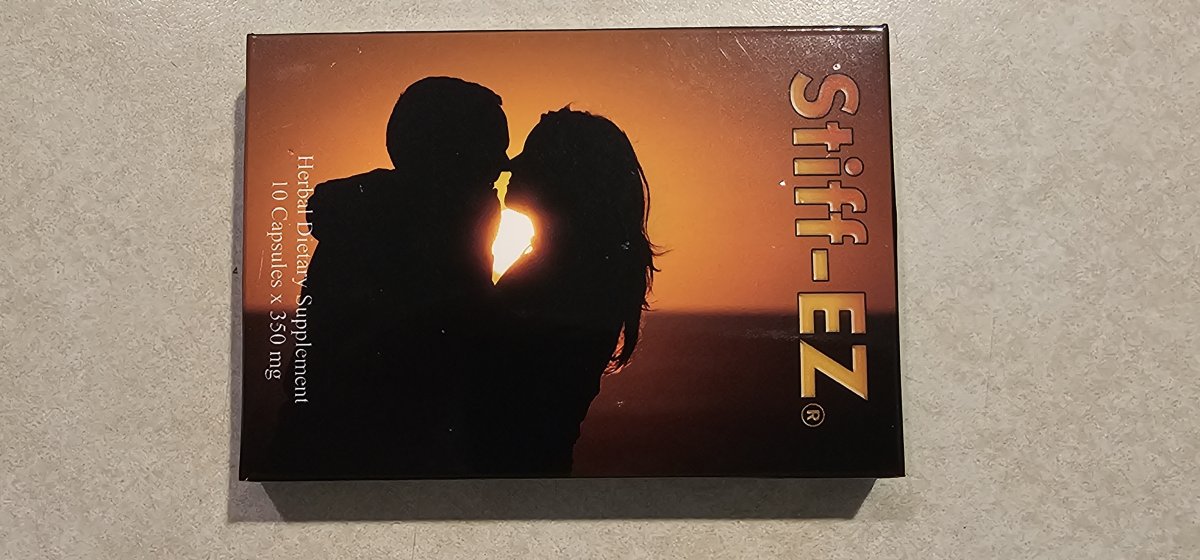
This is where LibertyNorth fits. We offer Male Overdrive and Stiffereen. Our bulk deals include Buy 3 Get 1 FREE on Male Overdrive, and Buy 7 Get 3 FREE or Buy 5 Get 2 FREE on Stiffereen.
If you're ready, add to cart.
Frequently Asked Questions
How can I boost my energy and libido naturally?
Start with the basics that affect both: seven to eight hours of sleep, regular physical activity, and a well-balanced diet with whole grains, leafy green vegetables, and fruit. Manage stress through simple routines like walking or breathing exercises, and talk openly with your partner about what you need. If you want extra support, look for supplements with clear labels and realistic claims, and give any change several weeks before judging results. Persistent fatigue or a lasting drop in desire deserves a medical check.
Can poor sleep affect libido and energy?
If you snore heavily or wake unrefreshed despite enough hours in bed, mention it to a doctor.
What foods may support energy and sex drive?
No single food works like a switch. Supplements like ginseng appear in many products marketed as aphrodisiacs, but evidence is mixed, so treat claims with caution.
When should I talk to a doctor about low libido?
Talk to a doctor if low desire lasts several weeks or months, if it comes with fatigue, mood changes, or trouble getting or keeping an erection, or if it affects your relationship. Bring a list of medications. Do not stop or change any medication on your own.
Better energy and libido rarely come from one pill or one change. They come from sleep, movement, food, and honest conversations, stacked in the right order. LibertyNorth is here to support the supplement side of that plan with Male Overdrive, Stiffereen, and bulk deals that keep costs predictable. Get started with LibertyNorth and give your routine the support it deserves.
